
Introduction: A Museum That Whispers
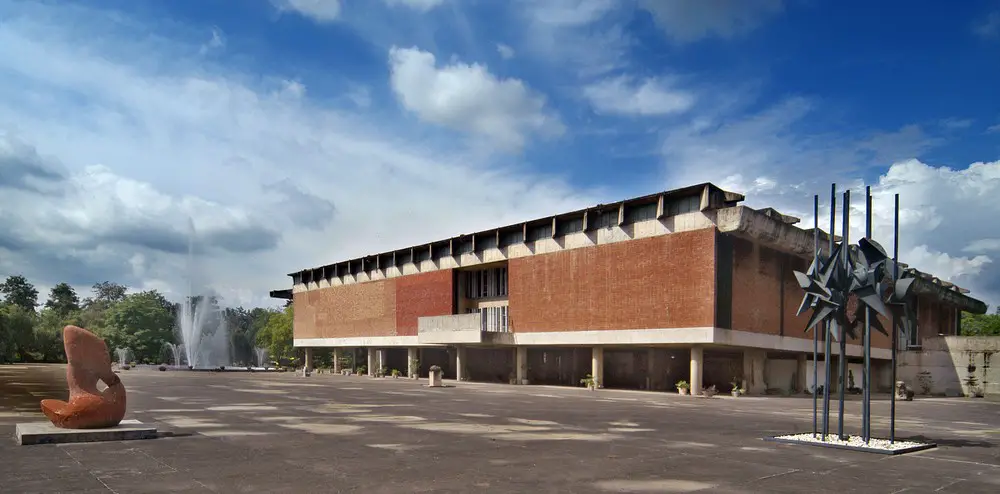
Chandigarh, with planned sectors, clean lines, and concrete buildings, is often described as India’s most disciplined city.
But the hidden secret behind this modernist art of a place, where time slows down, is peaceful and breathable. The stories and history don’t scream for attention, and I’m still not very much into it as a tourist place. It still waits to be discovered, or maybe better, to be underrated.
The Art Gallery and Government Museum of Chandigarh isn’t just a collection of buildings; it’s an art curated with artifacts and filled with emotion, civic pride, and an archive of civilisations.
The people who made such buildings and monuments in Chandigarh had one thought: a city of greenery and peace.
The person who crafted the map and structure of Chandigarh is Le Corbusier. He designed the Chandigarh capital complex vision, structured it in a deeply layered way, and the museum mirrors the city’s soul.
Step in, and you’re no longer in Chandigarh. You’re travelling through centuries.
Origins of the Art-Form: A Refuge for a Divided Past
With the partition of India in 1947, the government museum lost the opportunity to acquire the Lahore Museum’s collection.
When Lahore flourished as a cultural center, it became a part of Pakistan.
What we lose isn’t just administrative, but it’s mostly the cultural heartbreak. The artifacts from the Lahore museum were transferred and eventually moved to Chandigarh to preserve what remained.
As a result, the Government Museum served as a storehouse for historical sculptures, manuscripts, coins, and artwork that had survived for centuries before being relocated once more.
This museum not only shows art.
It shelters memory.
How It Flourished: From Storage Space to Cultural Landmark
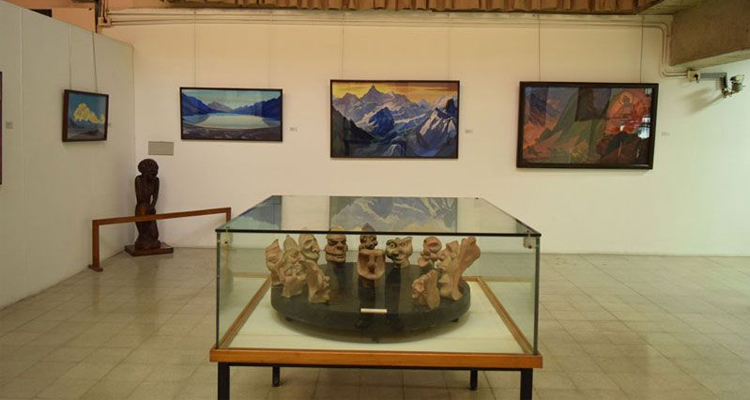
Originally intended as a repository, the museum gradually transformed into an important cultural institution.
With carefully curated galleries, climate-controlled preservation, and scholarly documentation, it transformed from a silent archive into a living classroom of Indian art history.
What truly helped it flourish was its curatorial honesty.
The museum doesn’t overwhelm visitors with spectacle. Instead, it allows objects to speak for themselves, unpolished, authentic, and raw.
Over time, historians, researchers, students, and art lovers began to recognise it as one of North India’s most important museums.
Not flashy. Just profoundly important.
The Gandhara Sculptures: Where Greece Met Buddhism
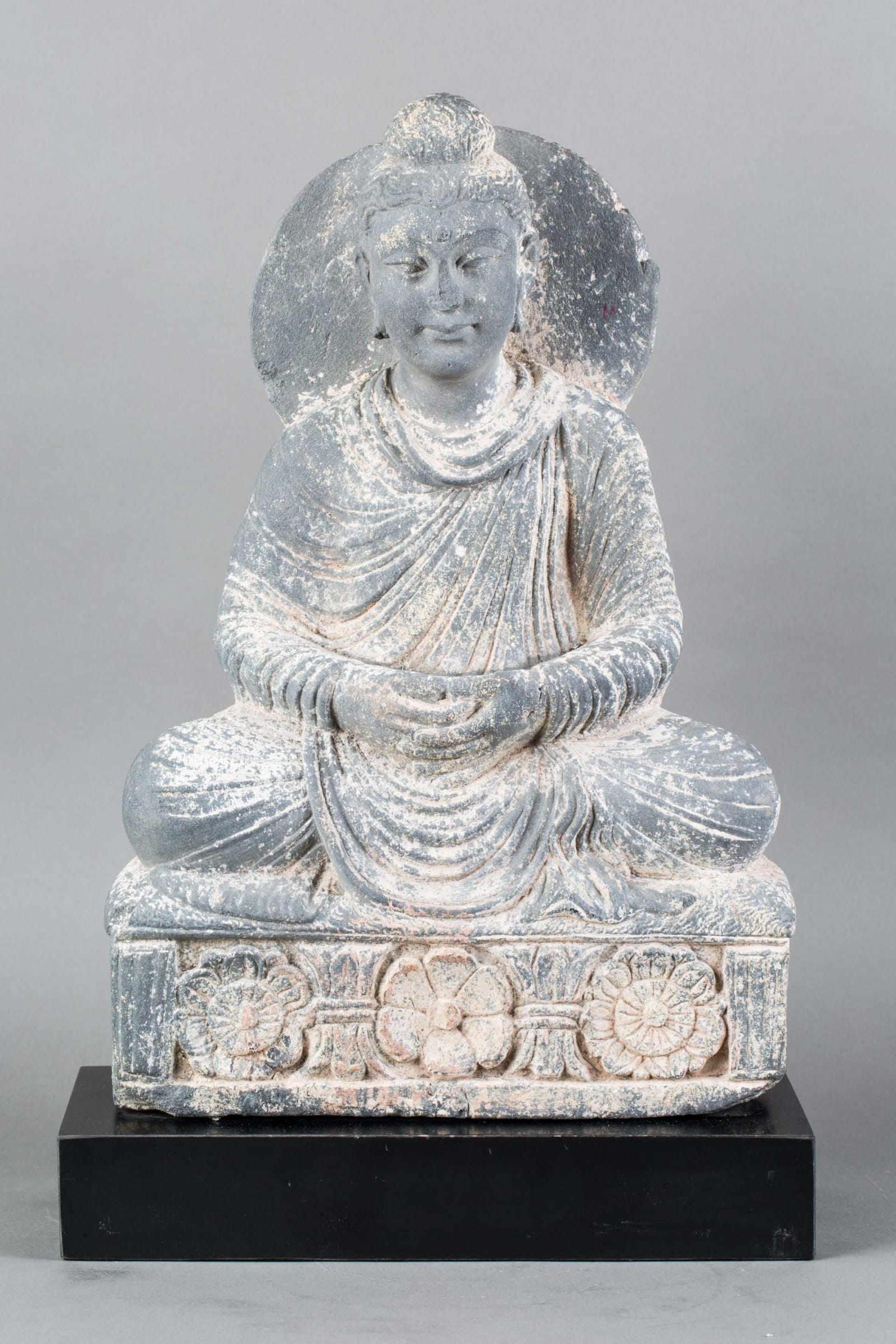
The Gandhara sculpture collection, a singular and uncommon fusion of Greek realism and Indian spirituality, is regarded as one of the museum’s crown jewels.
Gandhara art is a style of art created between the 1st and 5th centuries CE when the influence of Alexander clashed with Buddhist philosophy.
The result? Buddha in wavy hair, robe-like drapery, and expression of a human being, a gross deviation from symbolic depictions.
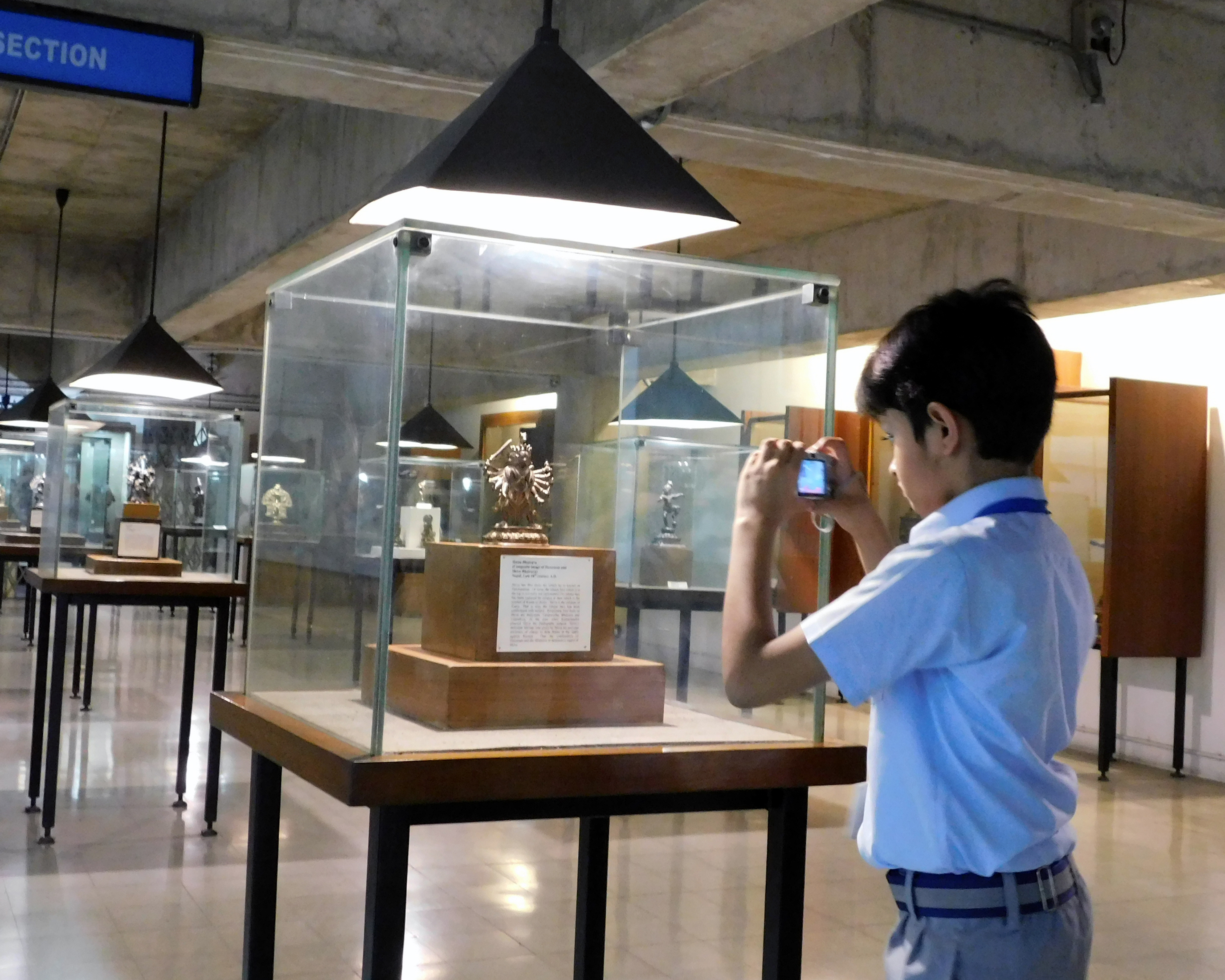
These statues represent the earliest human Buddha images, which permanently transformed Buddhist art.
Their composure, the way they have detailed folds, and their softening postures portray a time when cultures did not conflict; they worked together.
Harappan Motifs: Geometry, Utility & Quiet Genius
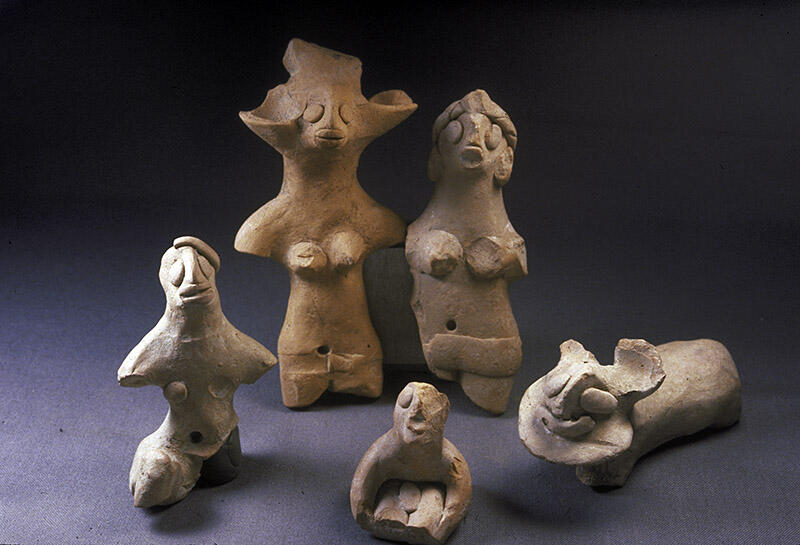
Another powerful section of the museum houses artefacts from the Indus Valley Civilization, one of the world’s earliest urban cultures.
The motifs here are subtle yet brilliant:
- Geometric patterns on pottery
- Animal figures on seals
- Terracotta figurines symbolising fertility and ritual
What’s fascinating is their functional beauty.

These designs aren’t just a matter of decoration; they’re about purpose, mathematics, and are deeply connected to our daily lives.
Long before “minimalism” became trendy, Harappans had mastered it.
Miniature Paintings: Stories told in Inches
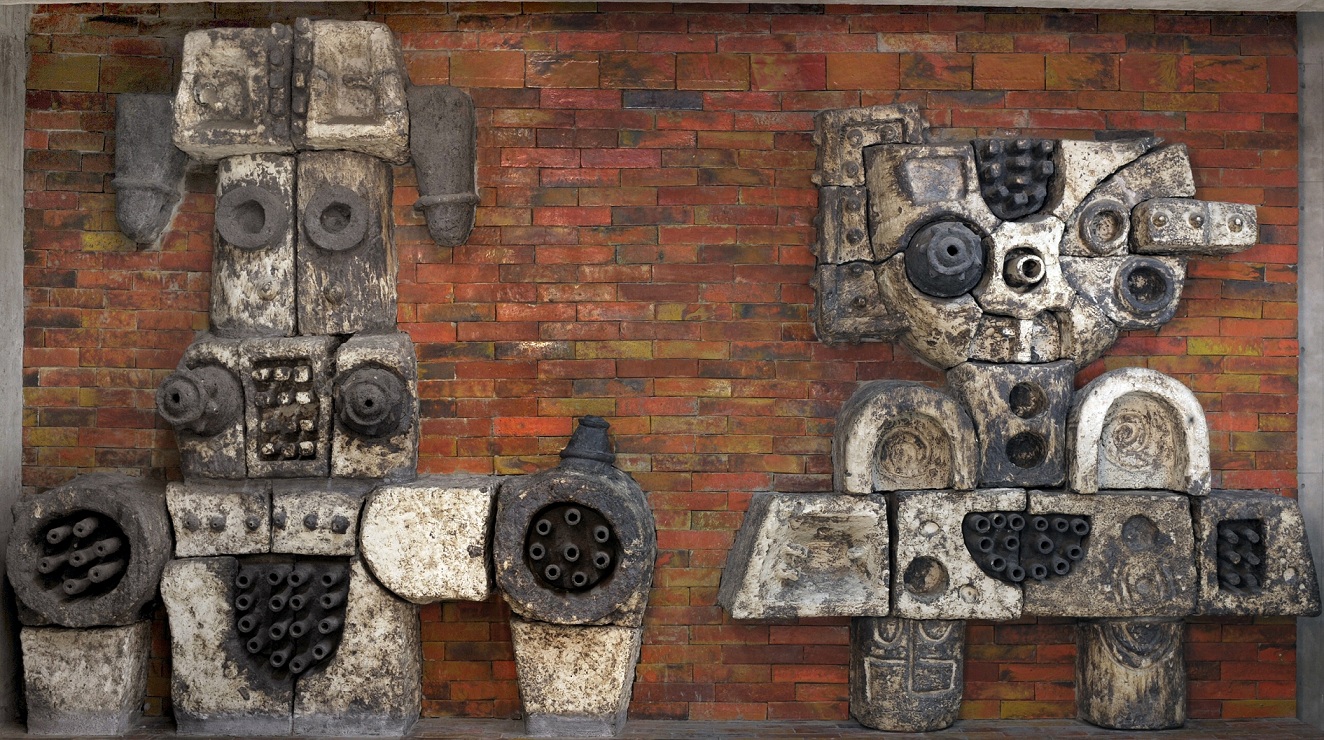
The small size, but the emotion is massively bold; the museum’s collection of Rajasthani and Pahari paintings feels like poetry trapped in colors and canvases.
These paintings mainly depict:
- Romantic longing and Real court life
- Scenes from the Mahabharata and Ramayana
- Krishna’s life and his Ras Leela
The motifs, lotus flowers, peacocks, moonlit terraces- weren’t random.
Each symbol carried meaning: love, divinity, seasons, or separation. You don’t just see these paintings. You lean into them.
Decorative Arts & Everyday Motifs

Beyond paintings and grand sculptures, the museum celebrates everyday textiles, metawork, folk objects, and jewelry.
Common motifs include:
- Floral patterns inspired by nature
- Repetitive geometry symbolising order
- Religious symbols used for protection and prosperity
These objects remind us that art wasn’t reserved for temples or palaces. It lived in kitchens, markets, and rituals. Beauty was part of survival.
References in Pop Culture: When Museums Become Mood Boards
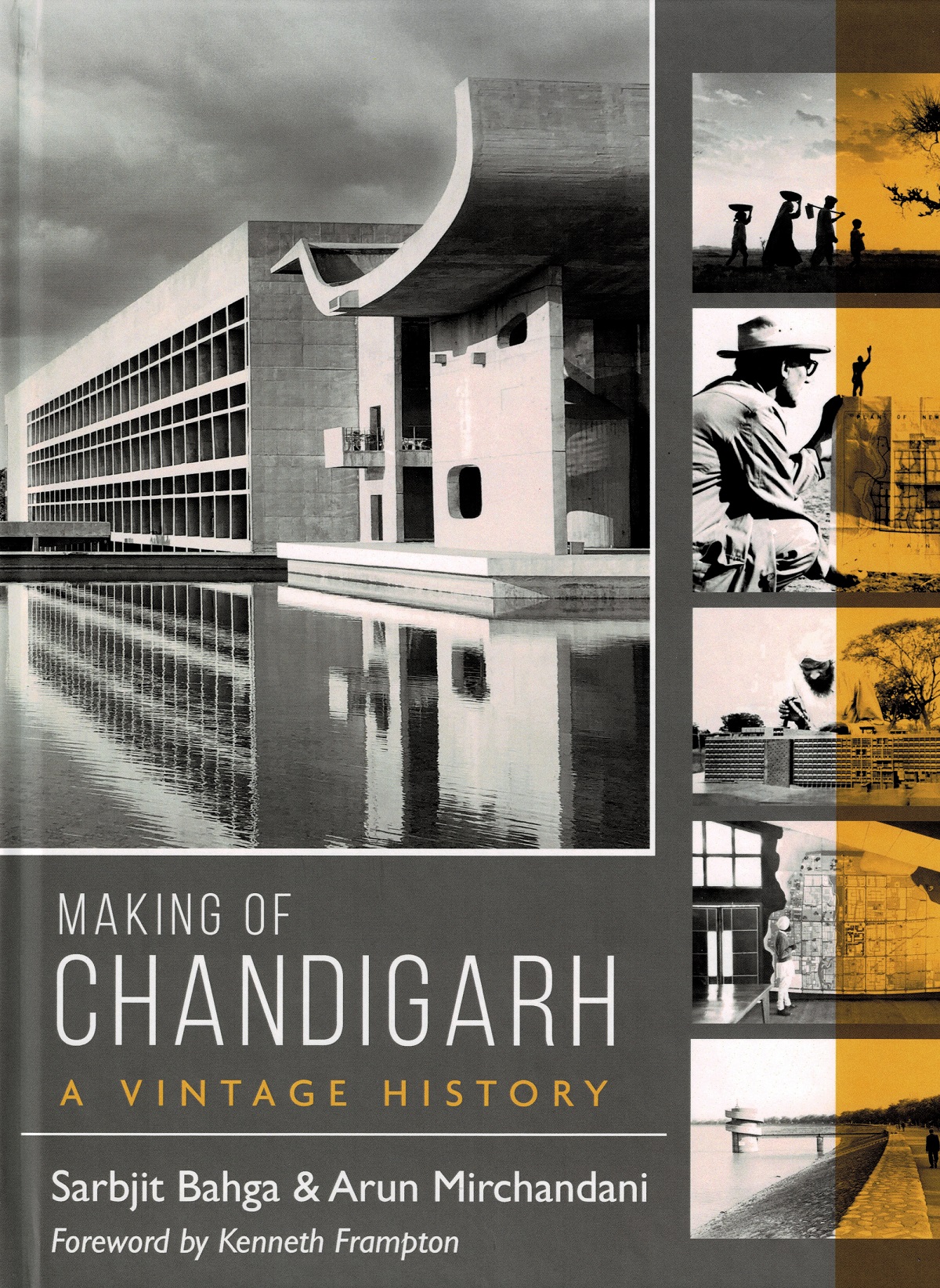
Although the Government Museum might not scream its presence in pop culture, the impact is also immense.
Moviemakers investigating historical truth, authors creating period literature, and designers seeking old motifs tend to visit historical museums such as this one. It has touched on book covers and even modern sculptures; the serene expression on the face of the Gandhara Buddha has been a source of influence for everything.
The contemporary illustration and fashion prints mimic miniature painting styles.
This museum makes a faint repayment even to Chandigarh itself, in its cinematic representation, as an urban realm of unblemished geometry and cultural richness.
Current Status: Still Standing, Still Relevant
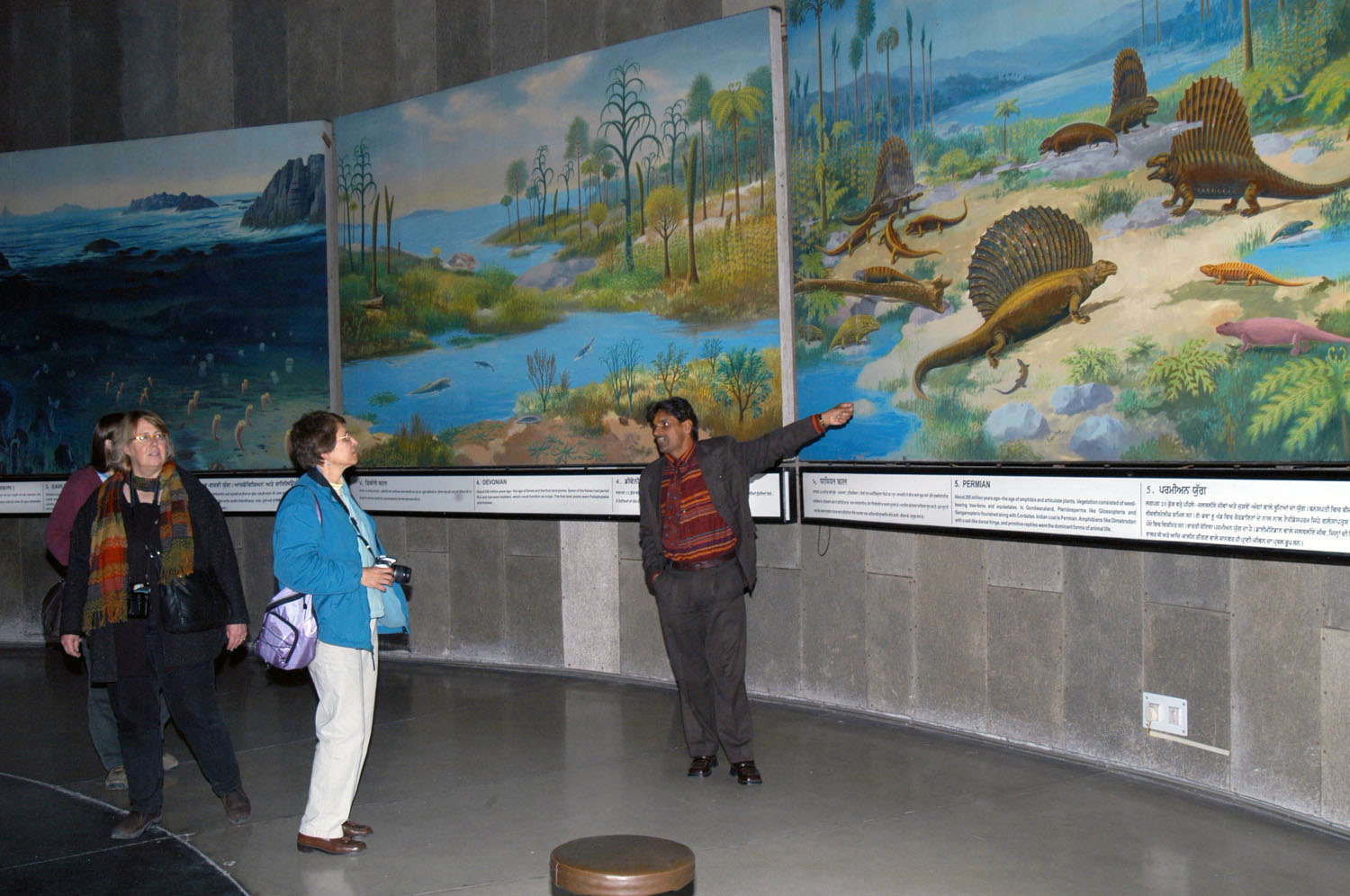
The Government Museum and Art Gallery is today a stable cultural beacon in an otherwise bustling city.
It’s not Instagram-trending daily, but it is still educational, preservative, and motivational.
This museum is a response to a time when everything is about speed and screens, and nothing is on the scoreboard.
It needs attention. And when you give it that, you have outlook.
Why This Government Museum Matters More Than Ever
The Government Museum and Art Gallery of Chandigarh isn’t about spectacle. It’s about the continuity of craft in consciousness and about the culture.
It tells us where we came from, how we expressed ourselves, and why remembering still matters.
In a city born of modern ambition, this museum keeps ancient voices alive.
You don’t just visit it.
You listen to it.
References
https://chdmuseum.gov.in/
https://asi.nic.in/
https://www.britannica.com/art/Gandhara-art
https://archive.org/details/dli.ministry.25967